LIFEHAUS
  • HOME
  • ABOUT
    • THE FOUNDER
    • THE LIFEHAUS PROJECT
  • LIFEHAUS SYSTEMS
    • Way of Life
    • Power
    • Thermal Comfort
    • Water
    • Food
    • Materials
    • Waste
    • Feasibility & Cost
  • PROJECTS
  • EVENTS
    • VOLUNTEERING
    • TALKS & WORKSHOPS
  • MEDIA
    • PUBLICATIONS
    • GALLERY
  • CONTACT
  • NH-ARCHITECTES
  • HOME
  • ABOUT
    • THE FOUNDER
    • THE LIFEHAUS PROJECT
  • LIFEHAUS SYSTEMS
    • Way of Life
    • Power
    • Thermal Comfort
    • Water
    • Food
    • Materials
    • Waste
    • Feasibility & Cost
  • PROJECTS
  • EVENTS
    • VOLUNTEERING
    • TALKS & WORKSHOPS
  • MEDIA
    • PUBLICATIONS
    • GALLERY
  • CONTACT
  • NH-ARCHITECTES

MATERIALS

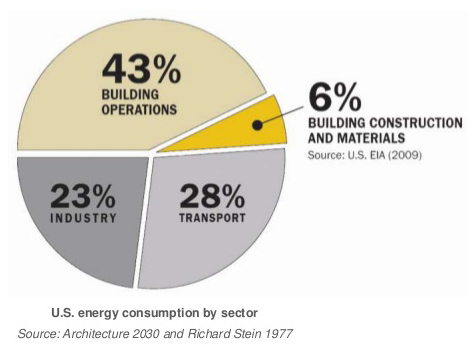
Every year, 13 million hectares of forest disappear and in the U.S, 6 % of CO2 emissions are due to construction material embodied energy production.

—  Home (2009)

​The world population is estimated to reach 9 billion by 2050 with 70% of all people living in cities. As countries develop, there will be an ever increasing demand for building materials, especially concrete.
 
Although the LIFEHAUS doesn’t ban the use of concrete and steel material in its construction, it certainly does work on reducing their use. This of course depends on the site location, the availability of local materials, the speed of work and the budget.


Picture
Picture
Picture
LIFEHAUS integrates 5 categories of material:
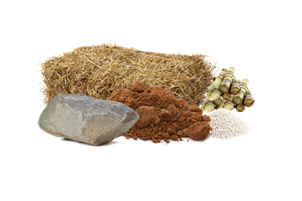
Local low embodied energy material
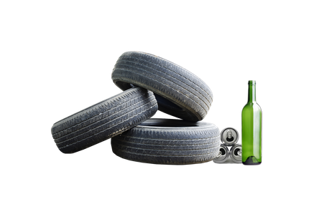
Upcycled material
​Local, low cost, mid-level embodied energy material
​​Local, low cost, high embodied energy materials
Imported expensive, natural but high-embodied energy material
​Clay, stone, limestone, hemp, perennial cane, and hay for instance, are most abundant across Middle Eastern areas and make for plentiful material scavenged  depending on what is available on the construction site.
​Used tires, aluminum cans, glass bottles that are largely inspired by Michael Reynold’s Earthship.
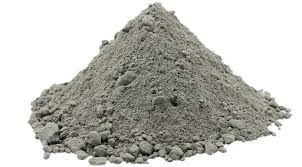
Mainly Portland cement, is adopted when perennial canes, bamboos or local certified wood are unavailable to hold the ceiling.
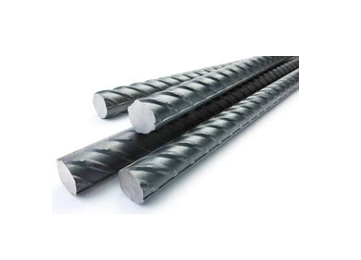
Steel bars for concrete.​
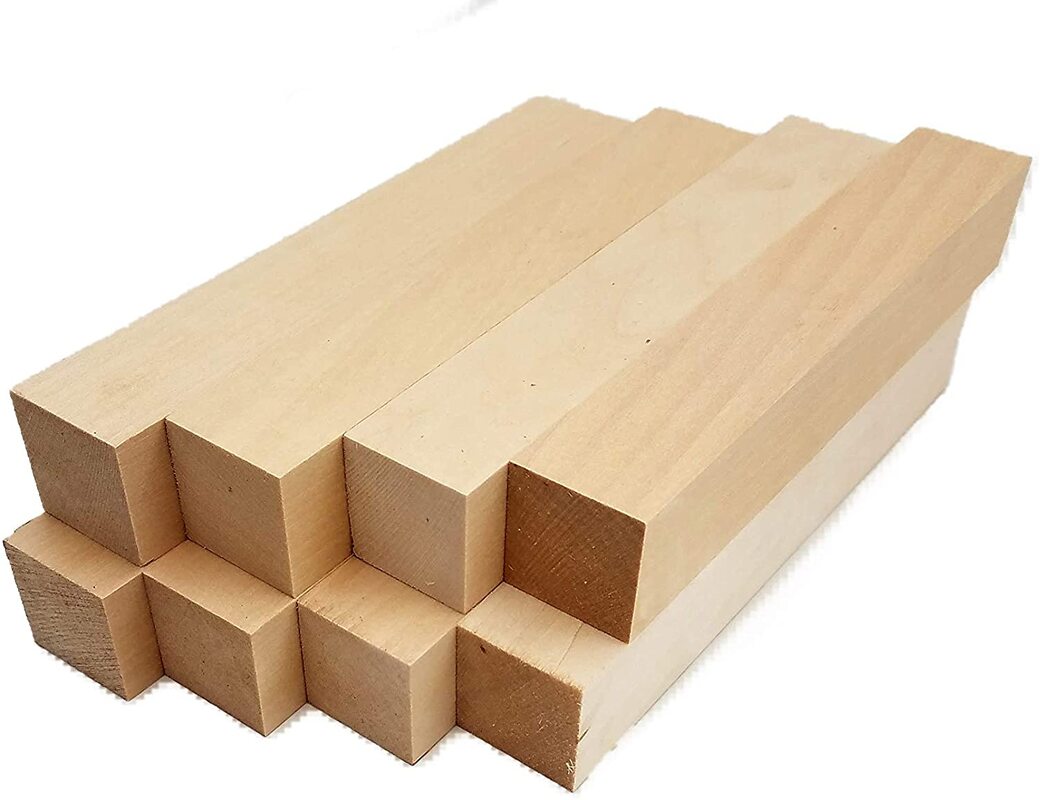
Expensive mainly because of transport like wood.
​Forest growth will not compensate for the dramatic increase in the use of wood in the next decades. Perennial cane or bamboo would become the main structural elements for ceilings instead of wood.
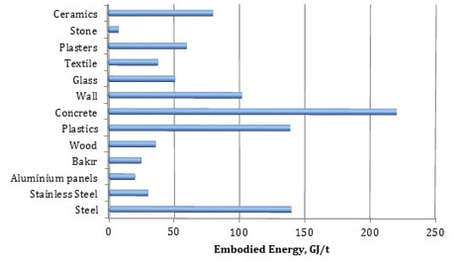
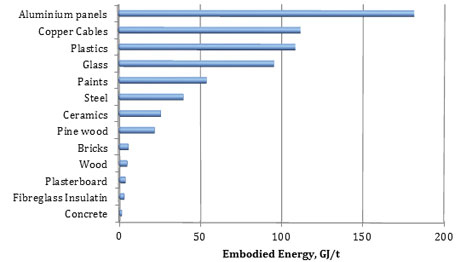
The use of aluminum outlines and steel structures are skirted due to their extremely high-energy consumption, which amounts to 200 times and 40 times more than cement, respectively.
By using natural local low embodied energy material, the LIFEHAUS calls for old ancestral construction techniques. Rammed clay for the ground, for example, replaces extremely high-embodied energy ceramics, hard stone and wooden floors.
The interior and exterior limestone coating replaces the extremely high-embodied energy chemical paint, monolayer coating, expensive stone, steel, and aluminum or ceramic claddings.
© COPYRIGHT 2022 ALL RIGHTS RESERVED.